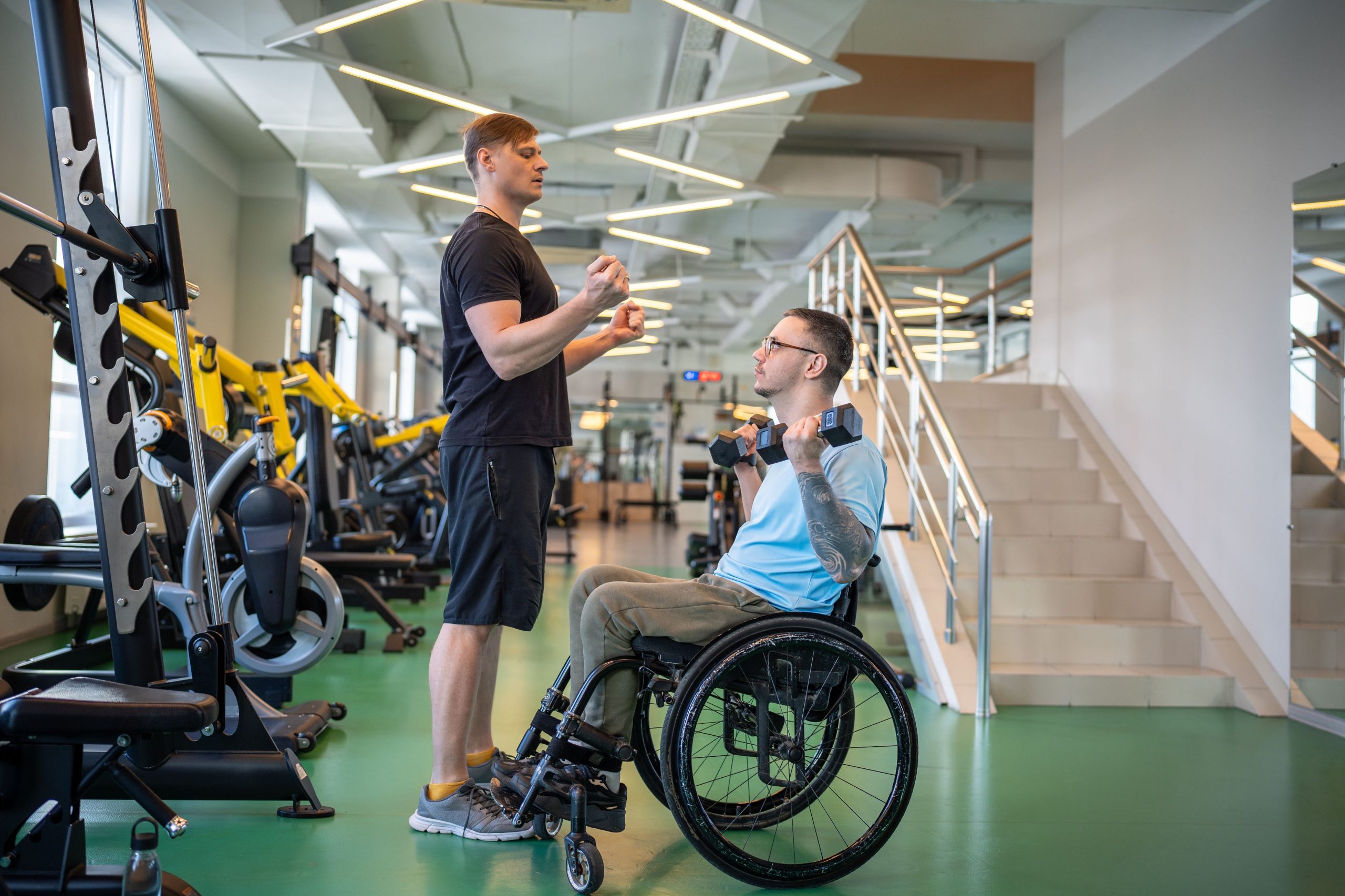
When people think about personal training, they often picture weight loss or fitness goals.
But for many NDIS participants, it’s about something much more important.
It’s about building confidence, improving mobility, and developing the strength and independence needed for everyday life.
With the right approach, personal training can play a valuable role in supporting both physical and overall wellbeing.
More Than Just Exercise
For NDIS participants, personal training isn’t about pushing limits or chasing extreme results.
It’s about working at the right pace, in the right environment, with the right level of support.
That might mean:
- Improving balance and coordination
- Building strength for daily tasks
- Increasing mobility and flexibility
- Gaining confidence with movement
Every session is tailored to the individual, focusing on what’s achievable and meaningful for them.
Building Confidence Through Movement
One of the biggest barriers to exercise is confidence.
Gyms can feel overwhelming, unfamiliar, or simply not suited to individual needs. This can make it difficult to get started, let alone stay consistent.
Personal training changes that.
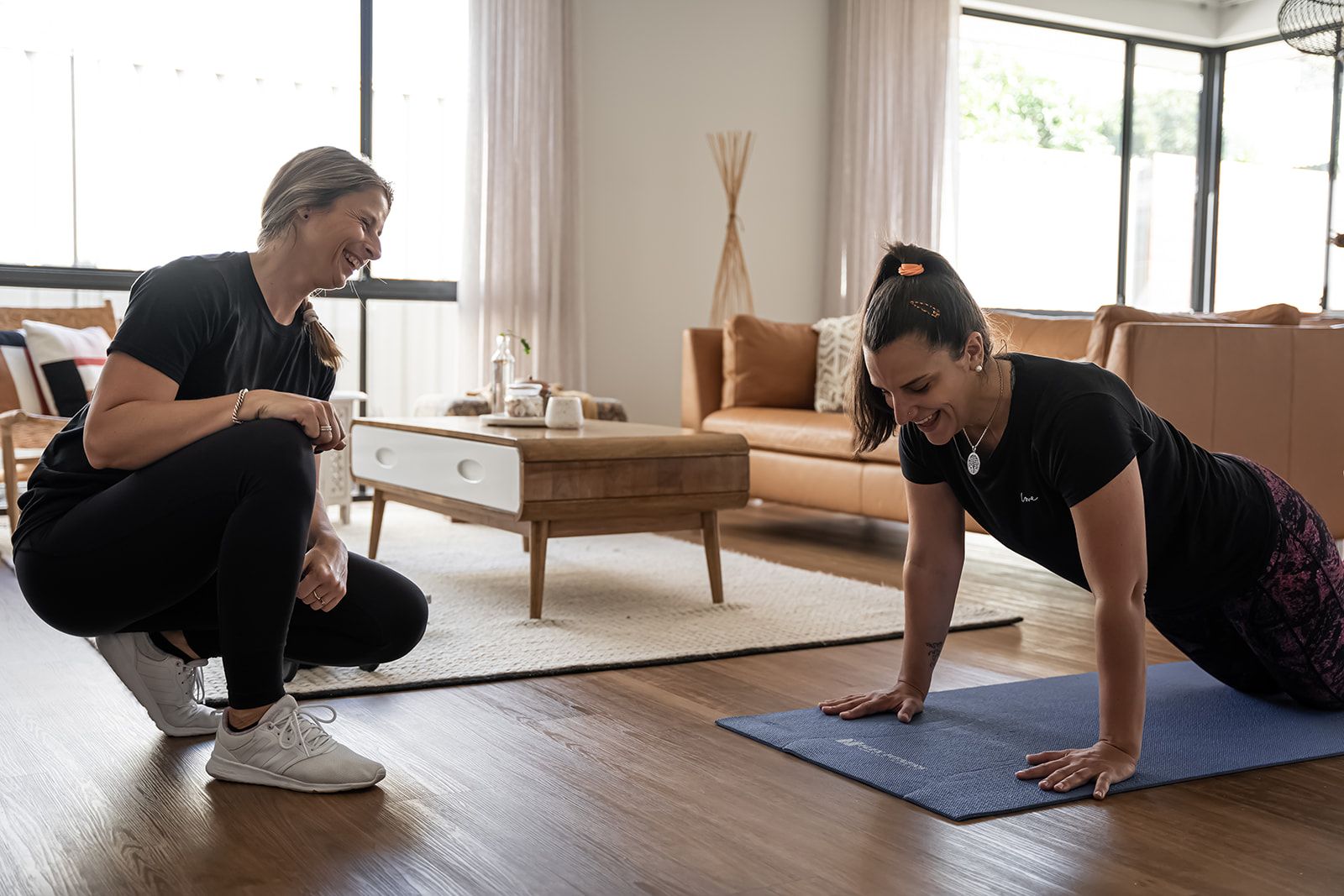
By working one-on-one in a comfortable, familiar environment, participants can take things at their own pace. There’s no pressure, no comparison, and no expectation to keep up with anyone else.
Over time, this helps build confidence not just in exercise, but in movement as a whole.
Supporting Everyday Independence
A key focus of NDIS support is improving independence, and this is where personal training can make a real difference.
Rather than focusing on generic workouts, sessions are built around functional movement. That means exercises that translate into real-life benefits, such as:
- Standing, sitting, and moving more easily
- Improving balance to reduce the risk of falls
- Building strength for daily activities
- Increasing overall mobility
These small improvements can have a big impact on day-to-day life.
A Flexible and Accessible Approach
One of the biggest advantages of mobile personal training is accessibility.
Instead of needing to travel to a gym or unfamiliar location, training is brought directly to the participant. This can take place at home, outdoors, or in another comfortable setting.
This removes many of the common barriers to exercise, including:
- Transport challenges
- Unfamiliar environments
- Time and scheduling difficulties
When training is easier to access, it becomes much easier to stay consistent.
Working With Your Support Network
NDIS support is rarely a solo effort.
That’s why personal training can be integrated with existing support systems, including carers, support workers, and family members.
By working together, everyone is aligned on the participant’s goals, progress, and needs. This creates a more consistent and supportive experience, both during sessions and outside of them.
Supporting Overall Wellbeing
The benefits of regular movement go beyond physical improvements.
With consistent training, many participants experience:
- Increased energy levels
- Improved mood
- Greater confidence
- A stronger sense of routine
These changes can have a positive impact on multiple areas of life.
Progress at the Right Pace
There’s no one-size-fits-all approach.
Every participant progresses differently, and that’s exactly how it should be. Personal training allows sessions to be adjusted in real time, ensuring they remain safe, appropriate, and effective.
The focus is always on steady, sustainable progress, not quick fixes.
Is Personal Training Covered Under the NDIS?
In many cases, personal training can be included under NDIS funding, particularly when it aligns with goals around:
- Improving physical capacity
- Increasing independence
- Supporting overall health and wellbeing
It’s always best to check with your support coordinator or plan manager to understand how it fits within your plan.
The Bottom Line
Personal training for NDIS participants isn’t about intensity.
It’s about support.
With the right structure, environment, and guidance, it can help build confidence, improve movement, and support greater independence over time.
Looking for Support That Fits Your Needs?
If you or someone you support is looking for a more personalised, flexible approach to fitness, personal training for NDIS participants can be a great place to start.
It’s simple, adaptable, and built around the individual.